


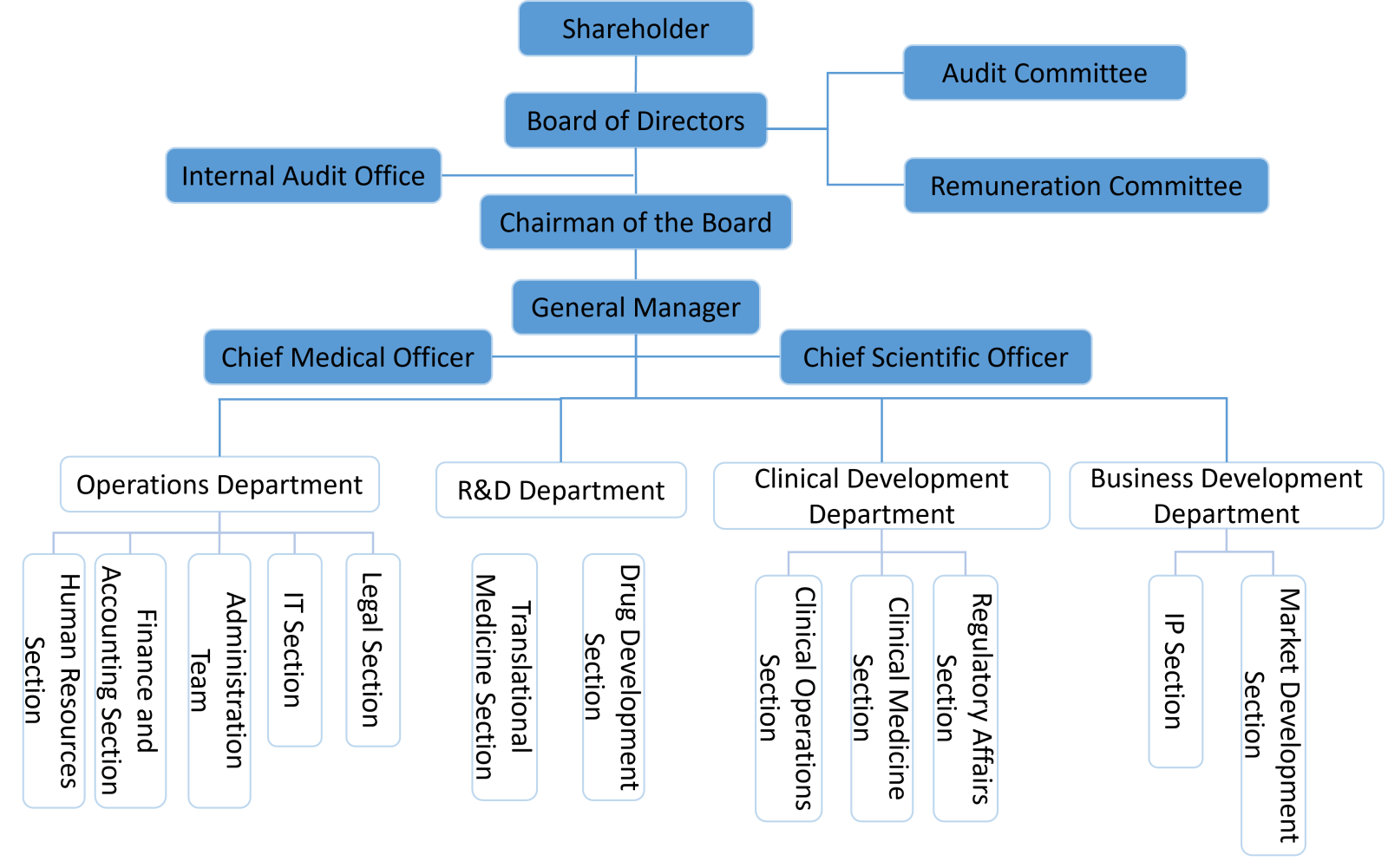
CORPORATE GOVERNANCE

Corporate Governance Framework

Department

Functional Responsibilities

Board of Directors

Acting as the administrative unit for corporate meetings, we convene regular shareholders' meetings, manage significant matters mandated by the shareholders, and represent shareholders in overseeing the implementation of meeting resolutions.

Chairman of the Board

Responsible for convening board meetings, managing board-authorized matters, and supervising the management’s implementation of board decisions.

Internal Audit Office

Conducting audits of internal control designs and implementation across group companies based on the audit plan. This involves identifying deficiencies, evaluating operational efficiency, and providing recommendations for improvement to ensure the continuous effectiveness of internal controls and enhance overall operational performance.

Audit Committee

  • Overseeing the fair presentation of the company’s financial statements.
  • Overseeing the appointment (dismissal), independence, and performance of the external auditors (CPAs).
  • Overseeing the effective implementation of the company’s internal control systems.
  • Overseeing the company’s compliance with relevant laws and regulations.
  • Overseeing the management and control of the company's existing or potential risks.

Remuneration Committee

  • To establish and periodically review the policies, systems, standards, and structures for the performance evaluation and remuneration of directors and managerial officers, and to provide recommendations to the Board of Directors.
  • To periodically evaluate and determine the contents and amounts of remuneration for directors and managerial officers, and to provide recommendations to the Board of Directors.

Operations Department

  • Formulating short-term and medium-term plans for fundraising, fund utilization, and treasury management.
  • Establishing and implementing accounting systems and managing bookkeeping/accounting processes.
  • Executing and controlling budgets, and preparing as well as analyzing management reports.
  • Managing monthly routine payments (AP), performing variance analysis, and evaluating financial effectiveness.
  • Developing and implementing Human Resources (HR) management systems.
  • Establishing and maintaining corporate network systems and providing IT support services.
  • Handling contract review and legal affairs management.
  • Conducting asset inventories and managing facility maintenance.
  • Coordinating the procurement of products, raw materials, and general office supplies.
  • Managing general administration and stock affairs (shareholder services).
  • Overseeing reinvestment management and subsidiary oversight.

R&D Department

  • Research and development (R&D) and project management related to drug development.
  • R&D of frontier/forward-looking technologies, and the development and establishment of key core technologies.
  • Manufacturing development and project management of Investigational Medicinal Products (IMP) required for clinical trials.
  • Laboratory resource management and safety management/compliance.

Clinical Development Department

In accordance with the Regulations on Good Clinical Practice (GCP) and the study protocols, the unit is responsible for the design, regulatory submission, execution, and reporting of clinical trials across all phases.

Business Development Department

  • Management, review, and assessment of pharmaceutical patents.
  • Pharmaceutical business development (BD) and project management.
  • Pharmaceutical licensing, technical cooperation, industry-academia collaboration, and project management.
  • Pharmaceutical market research and analysis.

Department

Functional Responsibilities

Board of Directors

Acting as the administrative unit for corporate meetings, we convene regular shareholders' meetings, manage significant matters mandated by the shareholders, and represent shareholders in overseeing the implementation of meeting resolutions.

Chairman of the Board

Responsible for convening board meetings, managing board-authorized matters, and supervising the management’s implementation of board decisions.

Internal Audit Office

Conducting audits of internal control designs and implementation across group companies based on the audit plan. This involves identifying deficiencies, evaluating operational efficiency, and providing recommendations for improvement to ensure the continuous effectiveness of internal controls and enhance overall operational performance.

Audit Committee

  • Overseeing the fair presentation of the company’s financial statements.
  • Overseeing the appointment (dismissal), independence, and performance of the external auditors (CPAs).
  • Overseeing the effective implementation of the company’s internal control systems.
  • Overseeing the company’s compliance with relevant laws and regulations.
  • Overseeing the management and control of the company's existing or potential risks.

Remuneration Committee

  • To establish and periodically review the policies, systems, standards, and structures for the performance evaluation and remuneration of directors and managerial officers, and to provide recommendations to the Board of Directors.
  • To periodically evaluate and determine the contents and amounts of remuneration for directors and managerial officers, and to provide recommendations to the Board of Directors.

Operations Department

  • Formulating short-term and medium-term plans for fundraising, fund utilization, and treasury management.
  • Establishing and implementing accounting systems and managing bookkeeping/accounting processes.
  • Executing and controlling budgets, and preparing as well as analyzing management reports.
  • Managing monthly routine payments (AP), performing variance analysis, and evaluating financial effectiveness.
  • Developing and implementing Human Resources (HR) management systems.
  • Establishing and maintaining corporate network systems and providing IT support services.
  • Handling contract review and legal affairs management.
  • Conducting asset inventories and managing facility maintenance.
  • Coordinating the procurement of products, raw materials, and general office supplies.
  • Managing general administration and stock affairs (shareholder services).
  • Overseeing reinvestment management and subsidiary oversight.

R&D Department

  • Research and development (R&D) and project management related to drug development.
  • R&D of frontier/forward-looking technologies, and the development and establishment of key core technologies.
  • Manufacturing development and project management of Investigational Medicinal Products (IMP) required for clinical trials.
  • Laboratory resource management and safety management/compliance.

Clinical Development Department

In accordance with the Regulations on Good Clinical Practice (GCP) and the study protocols, the unit is responsible for the design, regulatory submission, execution, and reporting of clinical trials across all phases.

Business Development Department

  • Management, review, and assessment of pharmaceutical patents.
  • Pharmaceutical business development (BD) and project management.
  • Pharmaceutical licensing, technical cooperation, industry-academia collaboration, and project management.
  • Pharmaceutical market research and analysis.
s arrow